
Signs Your Eye Irritation May Be Ocular Surface Disease
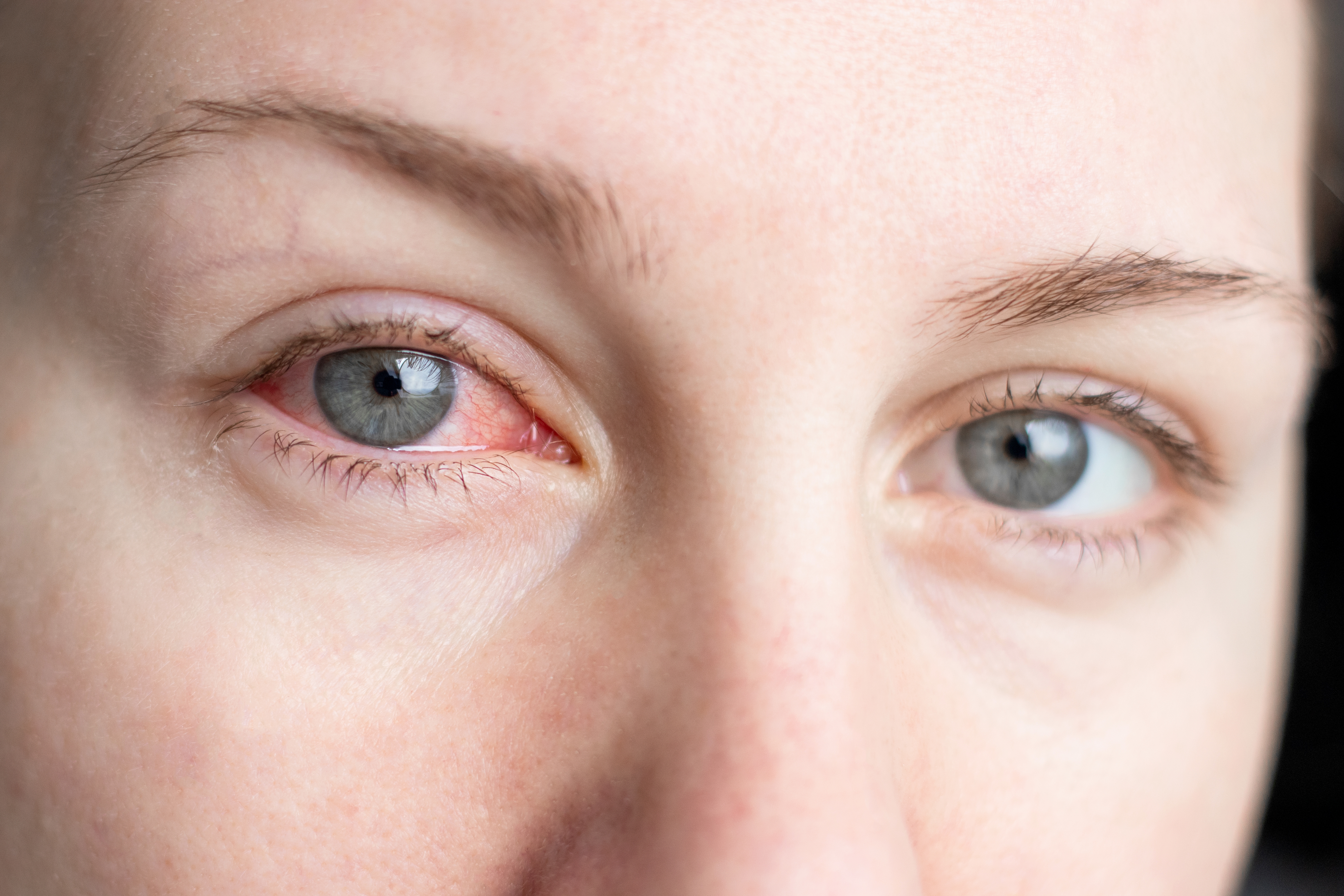
Occasional eye irritation can develop after a long day, extended screen use, or time spent outdoors. However, symptoms that persist, frequently return, or affect clear vision may indicate ocular surface disease. At Mountain Top Eye Care, Dr. Melinda Rodriguez evaluates the underlying causes of ongoing irritation and recommends personalized treatment to restore comfort and protect the eye’s surface.
What Is Ocular Surface Disease?
Ocular surface disease is a broad term for conditions that affect the cornea, conjunctiva, eyelids, and tear film. Dry eye disease is one of the most common forms, but irritation may also result from inflammation, allergies, infection, poor oil gland function, or damage to the corneal surface.
Common types of ocular surface disease include:
• Dry eye disease
• Blepharitis
• Ocular allergies
• Demodex-related eyelid irritation
• Conjunctivitis
• Ocular rosacea
• Other corneal surface conditions
Many of these conditions share similar symptoms or occur together. A comprehensive evaluation is essential for identifying the underlying cause and determining the most appropriate treatment.
Your Eyes Frequently Burn or Sting
Burning and stinging are common signs that the tear film is not adequately protecting the ocular surface. The discomfort may become more noticeable when using digital devices, driving, reading, or spending time in dry or windy environments.
Temporary relief from artificial tears does not always address the underlying problem. If the burning quickly returns, a professional evaluation can help determine what is disrupting the tear film.
You Feel Like Something Is in Your Eye
A gritty, sandy, or foreign-body sensation may occur even when there is nothing physically trapped in the eye. This feeling can develop when the corneal surface becomes dry, inflamed, or irritated. Rubbing the eyes may worsen inflammation or cause additional damage. Persistent discomfort should be examined rather than treated as a minor inconvenience.
Eye Drops Are Not Providing Lasting Relief
Over-the-counter lubricating drops may temporarily soothe mild irritation, but ongoing symptoms require more than repeated short-term relief. Different ocular surface conditions have different causes, so an accurate diagnosis is important before recommending treatment.
An eye exam may include an evaluation of the cornea, eyelids, tear quality, tear production, and oil-producing meibomian glands. These findings help guide a personalized treatment plan.
Specialized Corneal Care Can Identify the Cause
Our optometrist, Dr. Rodriguez, evaluates the eye’s surface to determine whether irritation is related to dry eye, eyelid inflammation, contact lens complications, corneal disease, or another condition. Her experience with complex corneal conditions and advanced contact lenses allows her to recommend care based on each patient’s symptoms and eye health.
Prompt evaluation is especially important when irritation occurs with significant pain, sudden vision changes, intense redness, light sensitivity, discharge, or an eye injury.
Find the source of ongoing eye irritation with personalized care from Mountain Top Eye Care. Contact our office in Lafayette, CO, by calling (720) 915-0505 to schedule an eye exam today.
Quick Links
Helpful Articles

All Eye Care Services
Find personalized eye care excellence with our comprehensive services. From eye exams to advanced diagnostics, trust us for all your vision needs.

Keep In Touch
For non-urgent questions or to learn more about our services, contact us today!
© 2026 Mountain Top Eye Care. All rights Reserved - Accessibility Statement - Privacy Policy - Sitemap
Managed and Designed by 